
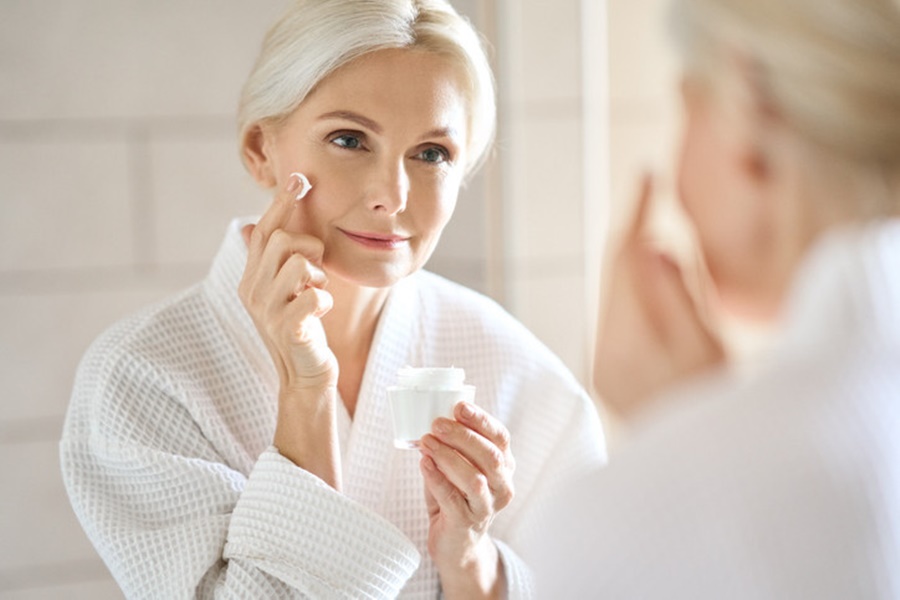
But do face creams really help with wrinkles? The short answer: Yes—some do, but results vary depending on the ingredients and consistency of use.
This article explains how wrinkle creams work, what ingredients matter, and how to choose the right one. Wrinkles are a natural part of aging, but many people look for ways to soften their appearance.
One of the most common solutions is face cream.

What Causes Wrinkles?
Before exploring whether creams help, it’s important to understand what causes wrinkles in the first place. Common factors include:
- Loss of collagen and elastin in the skin
- Sun exposure (UV damage)
- Natural aging
- Repetitive facial expressions
- Dehydration
- Lifestyle factors, such as smoking, stress, or poor sleep
Because wrinkles come from multiple causes, no single cream can erase them completely but many can improve texture, hydration, and firmness.
How Face Creams Help With Wrinkles
1. Hydration and Plumping
One of the first things wrinkle creams do is hydrate the skin. Well-moisturized skin appears smoother and fuller, reducing the visibility of fine lines.
2. Supporting Collagen Production
Some ingredients stimulate collagen growth or slow its breakdown. Since collagen keeps skin firm, this can reduce wrinkle depth over time.
3. Improving Skin Texture
Regular use of certain active ingredients can help exfoliate dead cells, brighten the skin, and improve overall texture.
4. Providing Protection
Many wrinkle creams include antioxidants or SPF to protect your skin from further UV damage, one of the major causes of wrinkles.
Ingredients That Actually Work
Not all wrinkle creams are equal. The most effective ones often contain scientifically supported ingredients such as:
Retinoids (Retinol, Retinaldehyde, Tretinoin)
- Increase cell turnover
- Stimulate collagen production
- Reduce fine lines and hyperpigmentation
Hyaluronic Acid
- Attracts and retains moisture
- Plumps the skin
Peptides
- Support collagen production
- Improve skin firmness
Vitamin C
- Brightens the skin
- Protects against free radicals
- Supports collagen
Alpha Hydroxy Acids (AHAs)
- Exfoliate dead skin
- Improve texture and radiance
Ceramides
- Strengthen the skin barrier
- Help prevent moisture loss
What Results You Can Expect
Short-Term Results
After consistent use for a few days to weeks, you may notice:
- Smoother skin
- Increased hydration
- Reduced appearance of fine lines
Long-Term Results
With active ingredients like retinoids, peptides, or vitamin C, you may see:
- Improved firmness
- Fewer wrinkles
- More even skin tone
However, results depend on:
- Skin type
- Product strength
- Consistency
- Sun protection habits
- Diet and lifestyle factors
Limitations of Face Creams
While face creams help, they cannot:
- Completely eliminate deep wrinkles
- Replace dermatological procedures like Botox, fillers, or laser treatments
- Stop aging altogether
Their role is to improve, not perfect, the skin.

Tips for Choosing the Right Anti-Wrinkle Cream
- Look for proven active ingredients like retinol, hyaluronic acid, or peptides.
- Choose a cream appropriate for your skin type (dry, oily, sensitive).
- Use sunscreen daily—SPF is the most effective anti-aging product.
- Patch-test new products, especially those with strong actives.
- Be consistent—results take time.
Cost vs. Effectiveness: Finding Your Budget
The price of face creams can vary widely, from drugstore options to high-end luxury brands. A basic anti-wrinkle cream can cost around $20, while premium products may exceed $150. You might wonder if the price reflects effectiveness.
In many cases, pricier creams contain higher concentrations of potent ingredients. However, you don’t need to overspend to see results. Some mid-range options provide a great balance of quality and cost.
- Drugstore creams: $10-$30
- Mid-range creams: $30-$80
- Luxury options: $80 and up
Spend time reading reviews and ingredient lists. This can help you identify effective products within your budget.
Who Each Option Suits
Different face creams cater to various skin types and concerns. For example, if you have dry skin, look for formulations rich in hyaluronic acid and ceramides. Oily skin may benefit more from oil-free gels with lightweight textures.
Sensitive skin individuals should opt for creams with soothing ingredients like aloe vera or chamomile to avoid irritation.
Additionally, if you are in your 20s and seeking prevention, a simple moisturizer with antioxidants may suffice. On the other hand, those in their 40s and beyond might require stronger treatments containing retinoids to effectively combat established lines.
Practical Tips for Application
The way you apply your face cream can impact its effectiveness. Start with a clean, damp face to help the cream absorb better. Use gentle, upward strokes when applying.
For best results, follow a routine that includes a serum before your face cream. Serums often contain potent ingredients that prepare your skin to absorb moisture and nutrients more efficiently.
Consider using your creams both morning and night. Consistency enhances results and helps your skin adapt to the product. Additionally, store your creams in a cool, dry place to maintain their potency.
There is more on organic shampoo vs natural shampoo elsewhere on the site.
Conclusion
Face creams can absolutely help reduce the appearance of wrinkles, especially when they contain effective active ingredients and are used consistently. While they won’t erase deep wrinkles entirely, they can significantly improve skin hydration, firmness, smoothness, and overall appearance. Additionally, does face cream help with wrinkles is a question that many users seek to understand better.
For best results, combine a good face cream with healthy habits and daily sun protection.
Leave a Reply