
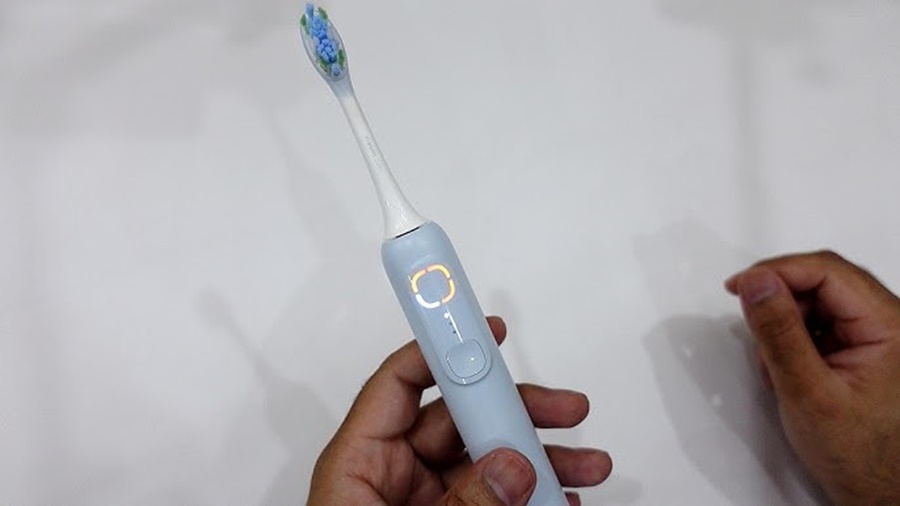
Maintaining good oral hygiene is essential for overall health, and choosing the right toothbrush plays a major role in that. Among the most common modern options are electric toothbrushes and battery-powered toothbrushes. While they may seem similar at first glance, they differ significantly in technology, performance, cost, and user experience.
This article explores the key differences, advantages, and disadvantages of both to help you make an informed decision.
What Is an Electric Toothbrush?
An electric toothbrush is a rechargeable device that uses advanced motor technology to move the brush head automatically. These brushes typically come with a charging base and offer various features such as multiple brushing modes, timers, pressure sensors, and sometimes even smartphone connectivity.
Electric toothbrushes generally use oscillating, rotating, or sonic vibrations to clean teeth more effectively than manual brushing.
What Is a Battery Toothbrush?
A battery toothbrush, also known as a powered toothbrush, is a simpler and more affordable alternative. It runs on disposable batteries (usually AA or AAA) and provides basic vibration or movement to assist with cleaning.
Unlike electric toothbrushes, battery toothbrushes usually lack advanced features and are designed for convenience rather than high performance.
Key Differences
1. Power Source
- Electric Toothbrush: Rechargeable battery with a charging dock
- Battery Toothbrush: Replaceable disposable batteries
2. Cleaning Technology
- Electric Toothbrush: Advanced motion (oscillating, rotating, sonic)
- Battery Toothbrush: Basic vibration, less sophisticated movement
3. Features
- Electric Toothbrush:
- Multiple brushing modes
- Built-in timers
- Pressure sensors
- Smart connectivity (in some models)
- Battery Toothbrush:
- Usually a single mode
- Minimal or no additional features
4. Cost
- Electric Toothbrush: Higher upfront cost but rechargeable
- Battery Toothbrush: Lower initial cost but ongoing battery replacement
5. Performance
- Electric Toothbrush: Superior plaque removal and gum care
- Battery Toothbrush: Better than manual brushing but less effective than electric
6. Durability and Build
- Electric Toothbrush: More durable, designed for long-term use
- Battery Toothbrush: Simpler design, may wear out faster
Advantages of Electric Toothbrushes
Electric toothbrushes are often recommended by dentists due to their superior cleaning capabilities. Their high-speed movements can remove more plaque and reduce the risk of gum disease.
They are especially helpful for:
- People with limited mobility (e.g., arthritis)
- Those who struggle with proper brushing technique
- Individuals seeking a more thorough clean
Additional benefits include consistent brushing time thanks to timers and reduced risk of over-brushing with pressure sensors.
Disadvantages of Electric Toothbrushes
Despite their benefits, electric toothbrushes have some downsides:
- Higher cost
- Need for regular charging
- Less travel-friendly (due to charging base)
- More complex design, which may require maintenance
Advantages of Battery Toothbrushes
Battery toothbrushes offer a good balance between manual and electric options. They are:
- Affordable
- Lightweight and portable
- Easy to use
- Widely available
They are ideal for travelers or those who want a simple upgrade from manual brushing without spending too much.
Disadvantages of Battery Toothbrushes
However, they fall short in several areas:
- Limited cleaning power compared to electric toothbrushes
- Ongoing cost of battery replacements
- Fewer features
- Less durability over time
Which One Should You Choose?
The choice depends on your needs, budget, and lifestyle.
- Choose an electric toothbrush if:
You want the best cleaning performance, advanced features, and long-term oral health benefits. - Choose a battery toothbrush if:
You prefer a budget-friendly, simple, and portable option for occasional or everyday use.
Who Should Use Each Type?
Electric toothbrushes suit individuals who prioritize effectiveness and have specific dental needs, like braces or gum disease. They often come with timers and pressure sensors that promote thorough cleaning habits.
If you’re budget-conscious or prefer a straightforward brushing experience, a battery-powered toothbrush might be your best choice. It’s lightweight and easy to travel with, making it ideal for frequent flyers.
Consider your lifestyle as well. Busy schedules may favor the efficiency of electric brushes, while simpler routines might align better with battery models. For more information about different types of toothbrushes, including features of the electric toothbrush, it’s good to do some research.
Practical Maintenance Tips
Maintaining your toothbrush is crucial for hygiene and performance. For electric toothbrushes, regularly clean the brush head with warm water and mild soap. Recharge the handle frequently, ideally each night, to keep it ready for use. Replace the brush head every three months or sooner if the bristles show wear.
For battery toothbrushes, it’s just as important to replace batteries as needed. Choose high-quality batteries for better performance. After several uses, rinse the bristle head and ensure it’s free from toothpaste residue to prevent buildup.
Common Mistakes to Avoid
Avoid pressing down too hard on your teeth when using an electric toothbrush. Let the device do the work to prevent gum damage. Also, don’t neglect to clean the brush head as bacteria can thrive there.
For battery toothbrushes, don’t overlook the time your brush is in contact with your teeth. Aim for at least two minutes for effective cleaning. Don’t assume the battery is still strong; check and replace it regularly for optimal brushing.
Conclusion
Both electric and battery toothbrushes are improvements over manual brushing, but they serve different purposes. Electric toothbrushes offer superior technology and effectiveness, making them ideal for long-term dental care. Battery toothbrushes, on the other hand, provide convenience and affordability.
Ultimately, the best toothbrush is the one you will use consistently and correctly. Regular brushing, proper technique, and routine dental checkups matter more than the type of toothbrush alone.
Leave a Reply