
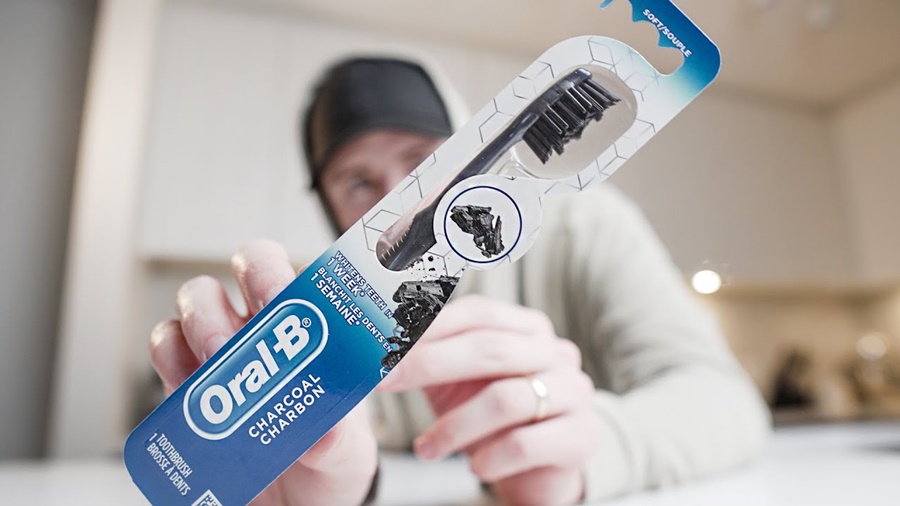
When it comes to oral hygiene, choosing the right toothbrush can make a significant difference in maintaining healthy teeth and gums. Two popular options today are electric toothbrushes and charcoal toothbrushes. While both aim to improve dental care, they work in very different ways. This article explores their features, benefits, drawbacks, and which one might be best for you.
1. What Is an Electric Toothbrush?
An electric toothbrush is a battery-powered device that uses rapid bristle movements either oscillating, rotating, or vibrating—to clean teeth more effectively than manual brushing.
Key Features
- Powered by rechargeable or replaceable batteries
- Built-in timers to ensure proper brushing duration
- Multiple cleaning modes (e.g., sensitive, whitening, deep clean)
- Advanced models may include pressure sensors
Benefits
Superior Cleaning Efficiency
Electric toothbrushes can remove more plaque compared to manual brushing, especially in hard-to-reach areas.
Ease of Use
Ideal for children, elderly individuals, or people with limited mobility.
Consistent Brushing Habits
Timers and automated movements help ensure you brush for the recommended two minutes.
Drawbacks
- More expensive than manual brushes
- Requires charging or battery replacement
- Can be bulky for travel
2. What Is a Charcoal Toothbrush?
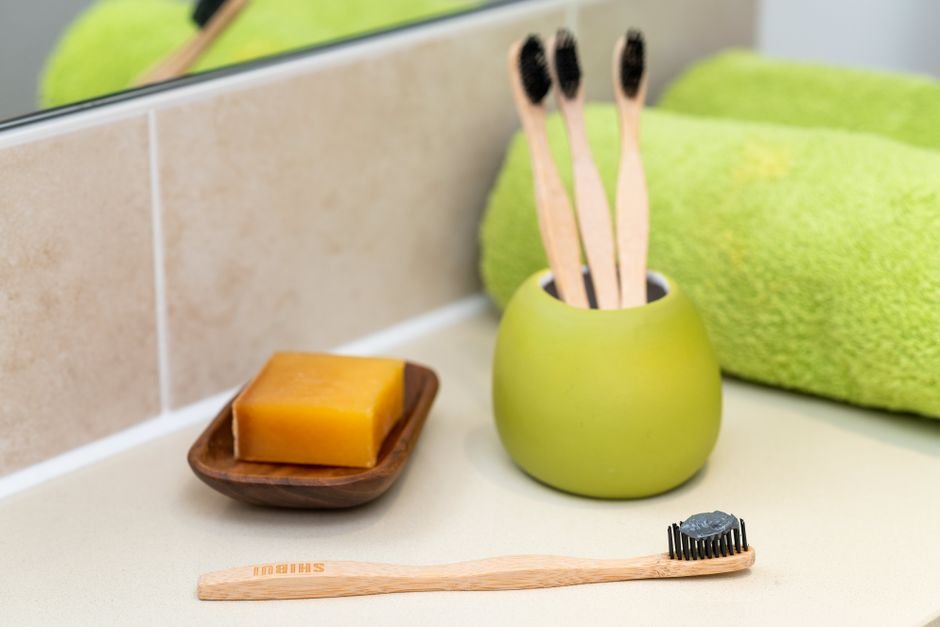
A charcoal toothbrush is a manual toothbrush infused with activated charcoal in its bristles. Activated charcoal is known for its absorbent properties and is often marketed as a natural teeth-whitening solution.
Key Features
- Manual toothbrush design
- Bristles infused with activated charcoal
- Often marketed as eco-friendly or natural
Benefits
Natural Whitening Claims
Charcoal is believed to help remove surface stains, giving teeth a brighter appearance.
Odor Reduction
Activated charcoal may help absorb odor-causing compounds in the mouth.
Affordable and Accessible
Typically inexpensive and widely available.
Drawbacks
- Limited scientific evidence supporting whitening claims
- May be abrasive if used aggressively
- Does not provide advanced cleaning technology
3. Cleaning Effectiveness
Electric toothbrushes generally outperform charcoal toothbrushes in plaque removal and gum health. Their automated motion ensures consistent brushing technique, which is crucial for effective cleaning.
Charcoal toothbrushes, on the other hand, rely entirely on manual brushing technique. While they may help with surface stains, they do not match the deep-cleaning capability of electric models.
4. Whitening Capabilities
Charcoal toothbrushes are often marketed for whitening, but their effectiveness is limited to removing surface stains. They do not change the natural color of teeth.
Electric toothbrushes do not inherently whiten teeth, but their superior cleaning ability can reduce plaque and stains over time, leading to a cleaner, brighter appearance.
5. Gum Health and Sensitivity
Electric toothbrushes often include sensitive modes and pressure sensors, making them safer for people with gum issues.
Charcoal toothbrushes can sometimes be too abrasive if used with excessive force, potentially irritating gums.
6. Environmental Impact
Charcoal toothbrushes are often promoted as eco-friendly, especially if they use biodegradable materials like bamboo handles.
Electric toothbrushes have a larger environmental footprint due to batteries and electronic components. However, some brands offer recyclable brush heads to reduce waste.
7. Cost Comparison
| Feature | Electric Toothbrush | Charcoal Toothbrush |
|---|---|---|
| Initial Cost | High | Low |
| Maintenance | Replacement heads | Replace entire brush |
| Long-Term Cost | Moderate to high | Low |
8. Who Should Choose What?
Choose an Electric Toothbrush If:
- You want the most effective plaque removal
- You have braces or dental work
- You prefer guided brushing with minimal effort
- You have gum sensitivity or mobility issues
Choose a Charcoal Toothbrush If:
- You prefer a simple, manual option
- You want a budget-friendly toothbrush
- You are interested in natural or eco-friendly products
Common Mistakes to Avoid
Many users make mistakes that undermine their dental hygiene efforts. When using an electric toothbrush, avoid applying excessive pressure. This can lead to gum irritation.
For a charcoal toothbrush, don’t overlook the importance of regular replacement. Charcoal bristles can wear out quickly. Change your brush every three months or sooner if the bristles fray.
Maintenance Tips and Longevity
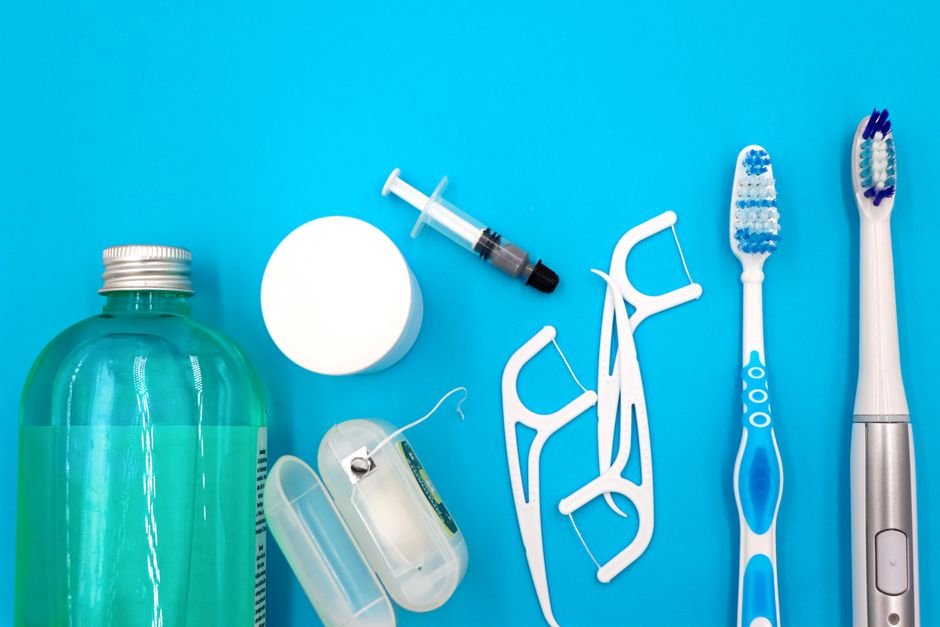
Maintenance plays a vital role in the longevity of both toothbrush types. With an electric toothbrush, clean the brush head regularly under warm water. Ensure it is properly dried to prevent mold growth.
For a charcoal toothbrush, rinse well after each use to eliminate excess toothpaste and debris. Store it in a dry place to keep it hygienic. Replace the brush when the bristles appear worn or discolored.
How to Choose the Right Option for You
When selecting between an electric or charcoal toothbrush, consider your individual needs. If you have braces or other dental work, an electric toothbrush may offer better care. For those seeking a natural alternative and simplicity, a charcoal toothbrush may suit you well.
Evaluate how much effort you want to invest in oral hygiene. Electric brushes often include timers, making it easier to brush the recommended two minutes. In contrast, a charcoal brush requires manual effort and technique.
Practical Care and Use Tips
Using your toothbrush correctly is essential for optimal results. With electric brushes, use gentle pressure; let the brush do the work. Move the brush head in small circles over each tooth for thorough coverage. Avoid scrubbing aggressively, as this can harm your gums.
For charcoal toothbrushes, rinse the bristles under water before applying toothpaste. Use a soft, circular motion to avoid damaging enamel. Limit the use of charcoal toothpaste to a few times a week to prevent over-abrasion.
Store both types of brushes in an upright position and allow them to air dry. This reduces bacteria growth and prolongs their lifespan.
Conclusion
Both electric and charcoal toothbrushes serve different purposes. Electric toothbrushes excel in cleaning efficiency, convenience, and advanced features, making them a top choice for overall oral health. Charcoal toothbrushes, while affordable and natural, offer limited benefits beyond basic cleaning and mild stain removal.
Ultimately, the best toothbrush is the one you use consistently and correctly. If budget allows, an electric toothbrush is generally the better investment for long-term dental health.
Leave a Reply