
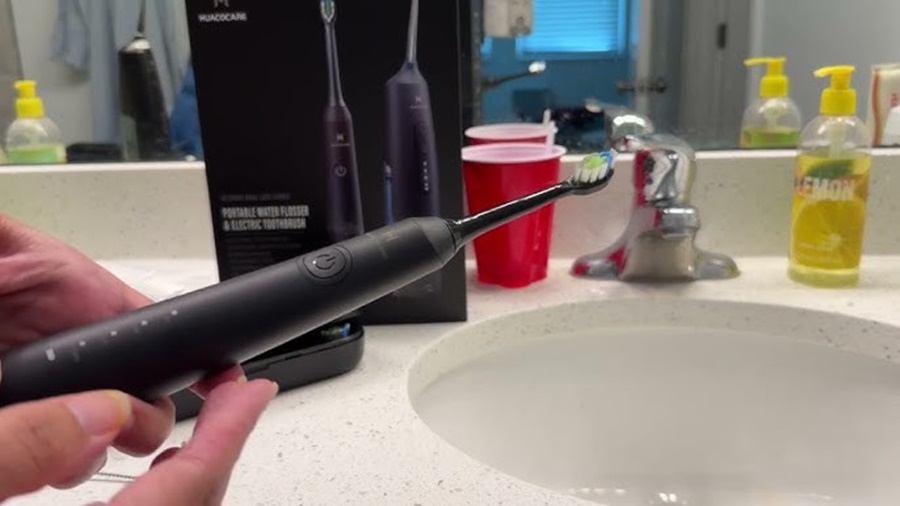
Today, two popular tools dominate modern dental care routines: the electric toothbrush and the water flosser. Oral hygiene has evolved far beyond manual brushing and string floss. While both aim to improve oral health, they serve different purposes and are most effective when used together rather than as substitutes.
This article explores their differences, benefits, limitations, and how to choose the right option for your needs.
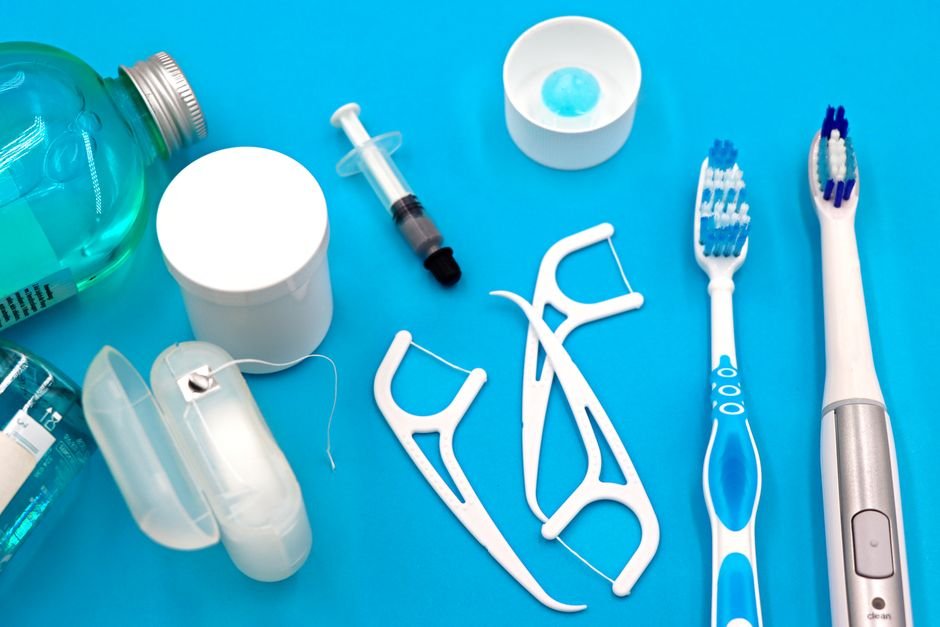
What Is an Electric Toothbrush?
An electric toothbrush is a powered device designed to clean teeth using rapid bristle movements. These brushes typically use oscillating, rotating, or sonic vibrations to remove plaque more effectively than manual brushing.
Key Benefits
- Superior plaque removal: Studies show electric toothbrushes remove more plaque than manual ones.
- Built-in timers: Many models ensure you brush for the recommended two minutes.
- Ease of use: Ideal for people with limited mobility, such as arthritis sufferers.
- Multiple modes: Options like sensitive, whitening, and gum care.
Limitations
- Does not clean between teeth effectively: You still need flossing.
- Cost: More expensive than manual toothbrushes.
- Requires charging or batteries
What Is a Water Flosser?
A water flosser (also known as an oral irrigator) uses a pressurized stream of water to clean between teeth and along the gumline. It’s designed as an alternative or supplement to traditional flossing.
Key Benefits
- Effective for gum health: Helps reduce gingivitis and bleeding gums.
- Reaches difficult areas: Especially useful for braces, implants, and bridges.
- Gentle on gums: Less abrasive than string floss for sensitive users.
- Easy to use: Great for people who struggle with traditional flossing.
Limitations
- Does not replace brushing: It cannot remove plaque from tooth surfaces.
- Messy for beginners: Requires practice to avoid splashing.
- Needs power and water supply
Key Differences
| Feature | Electric Toothbrush | Water Flosser |
|---|---|---|
| Primary Function | Cleans tooth surfaces | Cleans between teeth & gums |
| Plaque Removal | High on surfaces | Moderate between teeth |
| Gum Health | Good | Excellent |
| Ease of Use | Very easy | Moderate (learning curve) |
| Best For | Daily brushing | Flossing alternative/supplement |
Which One Should You Choose?
The choice depends on your oral care needs:
Choose an Electric Toothbrush if:
- You want a more effective alternative to manual brushing
- You have difficulty brushing properly
- You want built-in guidance (timers, pressure sensors)
Choose a Water Flosser if:
- You struggle with traditional floss
- You have braces, implants, or dental work
- You experience gum bleeding or sensitivity
Do You Need Both?
Yes ideally. Dentists recommend a combination approach:
- Electric toothbrush: For cleaning tooth surfaces
- Water flosser: For cleaning between teeth and below the gumline
Using both creates a more complete oral hygiene routine and significantly reduces the risk of cavities and gum disease.
Final Verdict
The electric toothbrush and water flosser are not competitors they are complementary tools. While the electric toothbrush focuses on removing plaque from the surfaces of your teeth, the water flosser targets areas that brushing alone cannot reach. If you want to learn more about how effective water flossers are, check out this source.
If you’re serious about improving your oral health, incorporating both into your daily routine is the best strategy.
Simple Daily Routine Example
- Brush with an electric toothbrush (2 minutes)
- Use a water flosser (1 minute)
- Rinse with mouthwash (optional)
By understanding how each tool works, you can build a smarter, more effective oral care routine that keeps your teeth and gums healthy for the long term.
Cost Comparison
When considering costs, electric toothbrushes typically range from $30 to $300, depending on features like timers and pressure sensors. High-end models often come with multiple modes for different needs.
Water flossers generally range from $40 to $150. While initial costs seem low, consider the ongoing purchases of replacement tips and any necessary cleaning solutions. Always analyze long-term expenses when making your choice.
Who Should Use Each Option?
If you have braces, a water flosser may suit you better. Its gentle stream can clear debris that brushing alone might leave behind. Additionally, if you often experience gum sensitivity, a water flosser’s soft approach is beneficial.
On the other hand, if you prioritize quick and efficient daily care, an electric toothbrush will be your best friend. It helps remove plaque efficiently and is easy to incorporate into any routine. Choose based on your specific oral health needs and lifestyle.
Conclusion
In the debate between an electric toothbrush and a water flosser, there is no true winner because each serves a distinct and essential role in oral care. An electric toothbrush excels at removing plaque and keeping the surfaces of your teeth clean, while a water flosser is highly effective at targeting the spaces between teeth and along the gumline where brushing cannot reach.
Rather than choosing one over the other, the most effective approach is to use both as part of a complete oral hygiene routine. Together, they provide a deeper, more thorough clean, helping to prevent cavities, gum disease, and other dental issues. Ultimately, investing in both tools can significantly improve your overall oral health and lead to a cleaner, healthier smile.
Leave a Reply