
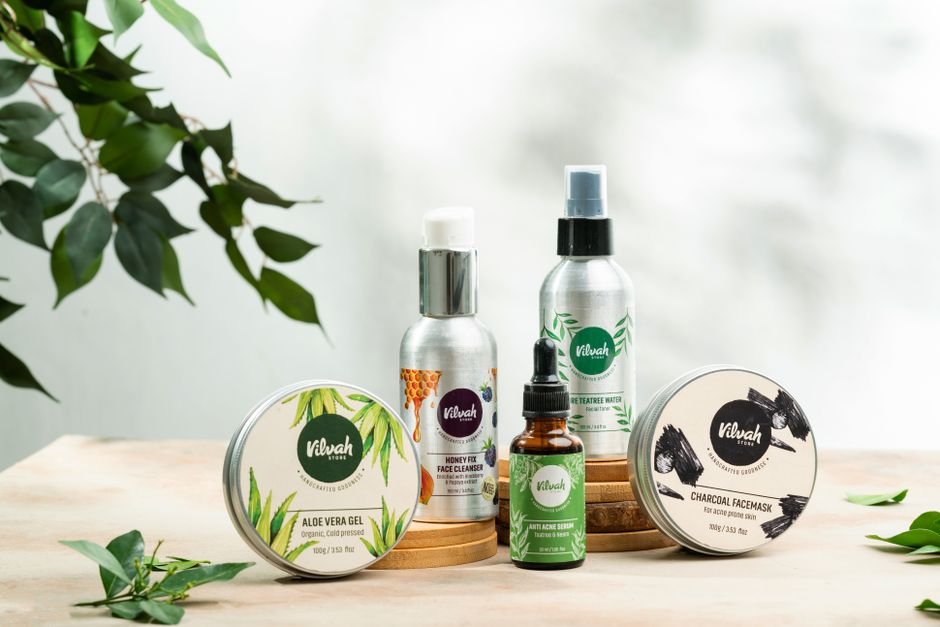
Over 85% of people will experience acne at some point in their lives, often leading to frustration with harsh skincare products. Tea tree oil offers a natural alternative thanks to its powerful antiseptic properties, allowing individuals to treat blemishes effectively while minimizing irritation.
The importance of understanding how to use tea tree oil for acne cannot be overstated. I’ve found that using it correctly can make a significant difference. Here’s my comprehensive breakdown on how to effectively incorporate this essential oil into your skincare routine.
The Power of Tea Tree Oil
Tea tree oil is derived from the leaves of the Melaleuca alternifolia plant, native to Australia. Its efficacy for skincare is attributed to its antimicrobial properties, which help combat acne-causing bacteria. Research shows that applying tea tree oil can reduce the number of acne lesions.
Compared to benzoyl peroxide, which many acne treatments use, tea tree oil is generally milder on the skin. Benzoyl peroxide can often lead to dryness or irritation. Conversely, the oil’s natural composition can support your skin’s health without the harsh side effects that synthetic ingredients sometimes bring.
How to Use Tea Tree Oil for Acne
It’s easy to use tea tree oil, but you should take precautions. Here’s how I recommend integrating it into your routine:
- Patch Test: Always conduct a patch test before applying tea tree oil to your face. Apply a small drop diluted with a carrier oil, such as jojoba or coconut oil, on a discreet area of your skin.
- Dilution: Pure tea tree oil can be too potent for direct application. I usually mix one part tea tree oil with nine parts carrier oil as a safe starting point.
- Direct Application: If you have a stubborn blemish, using a cotton swab to dab a small amount directly on the spot can be effective. It’s important not to overdo it; a touch is often sufficient.
- Facial Cleanser or Spot Treatment: Add a few drops of tea tree oil to your daily cleanser or mix it into your favorite cream. For spot treatment, you can apply the diluted oil before bed to let it work overnight.
Incorporating tea tree oil into your skincare routine doesn’t necessarily mean you have to overhaul it; simply substitute your regular products with ones that feature the oil as an active ingredient. For example, if you are also focusing on body care, check out my guide on body wash options for soft skin here: Body Wash and Scrub: Discover Secrets for Softer Skin Today.

What to Avoid
While tea tree oil can be beneficial, there are some things that you should definitely avoid. First, steering clear of undiluted tea tree oil is paramount. Applying it undiluted can lead to skin irritation, especially for sensitive skin types. Also, avoid using it too frequently, a couple of applications a day is usually enough.
Excessive use can cause dryness and strip your skin of its natural oils.
Be cautious about complementing it with other potent ingredients like alpha hydroxy acids or retinoids. Layering too many active ingredients can overwhelm your skin, leading to breakouts instead of prevention. Instead, try to use tea tree oil alongside gentler products to maintain balance. For more information on how to use tea tree oil for acne, visit this helpful article.
Conclusion: My Verdict on Tea Tree Oil
I recommend tea tree oil for those with mild to moderate acne; however, individuals with very sensitive skin should consider gentler options like chamomile or aloe vera. For best results, start with diluted applications and use it consistently to achieve noticeable improvements.
Frequently Asked Questions
Is tea tree oil effective for acne?
Yes, tea tree oil is effective for acne due to its antibacterial and anti-inflammatory properties. Studies have shown that it can reduce the severity of acne lesions and may help in preventing new breakouts.
Can you apply tea tree oil directly on acne?
It is not advisable to apply undiluted tea tree oil directly on acne, as it may cause skin irritation. Instead, it's better to use it in a diluted form or as part of a skincare product specifically formulated for topical use.
How often should I use tea tree oil for acne?
You can use tea tree oil 1 to 2 times a day for acne treatment, depending on your skin's sensitivity. Start with once daily to see how your skin reacts and adjust accordingly.
What are the side effects of tea tree oil on skin?
Possible side effects of tea tree oil include skin irritation, dryness, and allergic reactions in some individuals. It's important to perform a patch test before using it on larger areas of skin.
Should tea tree oil be diluted for acne treatment?
Yes, tea tree oil should be diluted before being used for acne treatment to minimize the risk of irritation. A common dilution ratio is mixing one part tea tree oil with nine parts carrier oil, such as jojoba or coconut oil.
Leave a Reply