

Over 50% of people experience breakouts due to their skincare products. Even formulas labeled as non-comedogenic can lead to clogged pores, leaving many wondering if their daily regimen is the culprit behind their skin woes. The key to solving this issue often lies in scrutinizing the ingredients that come into contact with your skin every day.
The reality is that certain ingredients can be comedogenic, meaning they clog pores and contribute to acne. In my experience, it’s critical to understand which components could trigger breakouts, especially if your skin is reactive or sensitive.

Identifying Ingredients Causing Acne
To evaluate if your skincare routine is causing breakouts, first, take a close look at the labels. Ingredients like mineral oil, lanolin, and some silicones are notorious for clogging pores. If a product contains any of these, it’s time to reconsider using it. I’ve personally noticed a direct correlation between using heavily oil-based products and the onset of breakouts.
Another common culprit is fragrance. Many products tout their pleasant scent but fail to mention that synthetic fragrances often lead to irritation and pimples. I’ve had numerous instances where I switched to fragrance-free products and noticed a significant reduction in my breakouts.
Skincare Product Reactions
Reactions to skincare products can stem from both the formulation and how your skin type interacts with specific ingredients. For instance, products high in acids, like glycolic or salicylic, might be beneficial for some; however, they can also cause irritation for others. If you’re seeing a pattern of breakouts after introducing a new product, it’s essential to evaluate your skin’s response.
A patch test can be a lifesaver. Simply apply a small amount of the new product on a discreet area of your skin and observe any reactions over 24 hours before fully integrating it into your routine. From my experience, it’s a simple yet effective way to avoid breakouts caused by new products.
Signs Your Skincare Routine Needs Adjusting
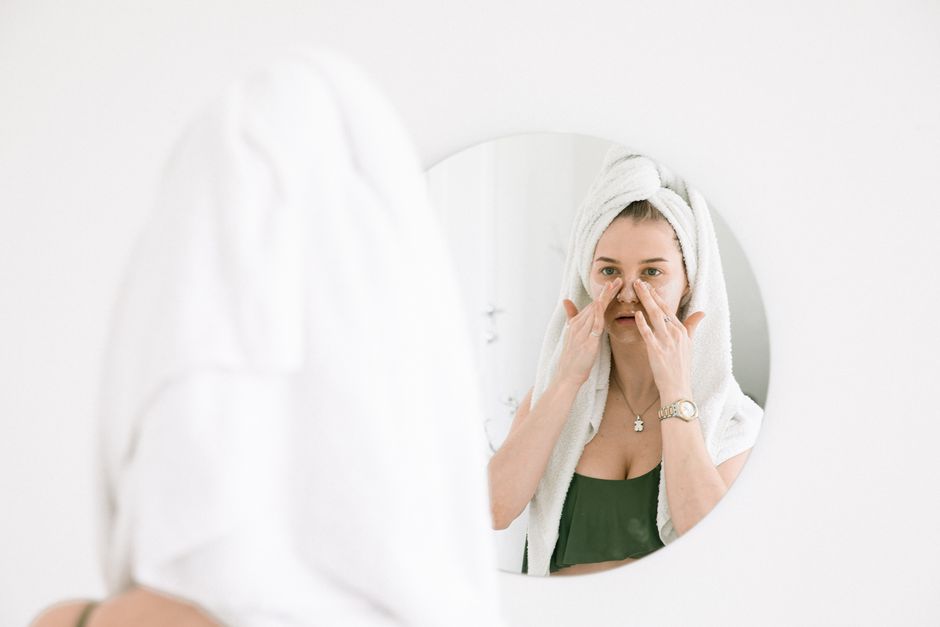
If your skin frequently feels irritated or shows signs of congestion, it’s time to reassess your routine. One telltale sign is if you notice more closed comedones (those little bumps under the skin that can become inflamed). These can appear when your skincare products are just too heavy or not compatible with your skin type.
Additionally, if your skin becomes red or itchy after applying a product, that’s a significant red flag. I’ve learned that listening to your skin is non-negotiable. Skipping products with harsh exfoliants or switching to gentle alternatives has made a substantial difference in my own skincare journey.
Smart Swaps for Clear Skin
Making informed swaps can lead to clearer skin without breaking the bank. Instead of using heavy creams laden with oils, consider lightweight gels or serums that hydrate without clogging pores. Products with ingredients like hyaluronic acid help maintain moisture balance while remaining non-comedogenic.
If you’re also interested in body care, switching to a body wash with tea tree oil can help manage body breakouts due to its antibacterial properties. I’ve found that integrating such products has significantly improved my skin clarity. For those experiencing dry patches, consider alternatives that contain hyaluronic acid for hydration without the risk of acne.
A Clear Path to Healthy Skin
For those sensitive to breakouts, a gentle, hydrating cleanser paired with an oil-free moisturizer is recommended. Alternatively, those who know their skin tolerates it well may benefit from targeted treatments containing salicylic acid or benzoyl peroxide. Additionally, understanding if my skincare routine is causing breakouts can be vital to simplifying your routine to focus on these essentials, which can greatly reduce the risk of breakouts.
Worth reading alongside this: body wash for women.
Frequently Asked Questions
How do I know if my skincare is causing breakouts?
To determine if your skincare is causing breakouts, monitor your skin after introducing new products. If you notice an increase in pimples or irritation within a week, it may indicate that a product isn't suitable for your skin.
Why does my face break out after skincare?
Breakouts post-skincare can occur due to clogged pores from heavy products, irritating ingredients, or an allergic reaction. Sometimes, your skin may also purge when it adjusts to new active ingredients.
Can too much skincare cause acne?
Yes, using too many products or over-exfoliating can strip your skin of its natural oils, leading to increased oil production and potential breakouts. It's essential to keep your routine simple and not overload your skin.
Is my moisturizer causing breakouts?
Your moisturizer may cause breakouts if it contains comedogenic ingredients that clog pores or is too thick for your skin type. Look for non-comedogenic or oil-free options if you suspect your moisturizer is to blame.
What ingredients should I avoid for acne?
Avoid ingredients that are known to clog pores, such as heavy oils, lanolin, and certain silicones. Additionally, steer clear of alcohol-based products and those with high fragrance concentrations, as they can irritate the skin.
Leave a Reply