
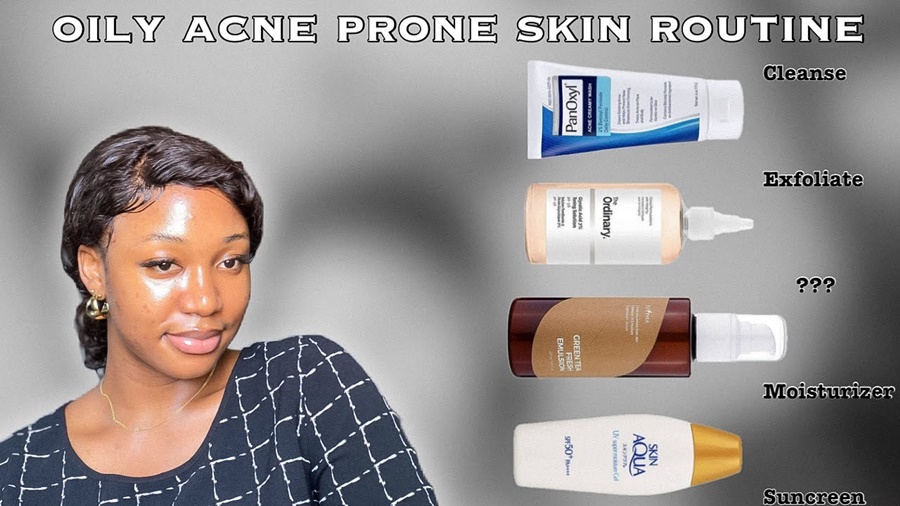
Skincare for Oily and Acne-Prone Skin: Top Tips for Clarity starts with using a lightweight, non-comedogenic moisturizer to keep your skin hydrated without clogging pores. By incorporating specific products designed for acne control, such as salicylic acid or benzoyl peroxide, you can effectively reduce breakouts and manage excess oil. Follow these expert recommendations for a clearer, healthier complexion.

Understanding Oily and Acne-Prone Skin
What Causes Oily Skin?
Oily skin occurs when the sebaceous glands produce excess sebum (oil). This can be influenced by genetics, hormones, diet, climate, or skincare habits.
Why Acne Develops
When excess oil mixes with dead skin cells and clogs pores, it creates an environment where acne-causing bacteria (Propionibacterium acnes) can thrive. This leads to blackheads, whiteheads, pimples, or even cystic acne.
Skincare Routine for Oily and Acne-Prone Skin
1. Cleansing (Morning and Night)
- Why it matters: Removes excess oil, dirt, and impurities.
- What to use:
- Gentle foaming cleansers
- Salicylic acid or benzoyl peroxide cleansers
- Gel-based formulas
Avoid: Harsh soaps, alcohol-based products, or over-washing (more than twice daily).
Examples:
- CeraVe Foaming Cleanser
- La Roche-Posay Effaclar Medicated Gel Cleanser
2. Toning (Optional but Beneficial)
- Why it matters: Helps balance skin’s pH and remove any leftover debris after cleansing.
- What to use:
- Alcohol-free toners
- Witch hazel, niacinamide, or salicylic acid-based formulas
Examples:
- The Ordinary Glycolic Acid 7% Toning Solution
- Paula’s Choice Skin Balancing Pore-Reducing Toner
3. Treatment/Serums
- Why it matters: Active ingredients help target acne and reduce oil production.
- Key ingredients to look for:
- Salicylic acid: Exfoliates inside pores
- Niacinamide: Controls sebum and reduces inflammation
- Retinoids: Promote cell turnover
- Azelaic acid: Fights acne and evens skin tone
Examples:
- The Ordinary Niacinamide 10% + Zinc 1%
- Differin Gel (Adapalene)
4. Moisturizing (Yes, Even for Oily Skin)
- Why it matters: Prevents skin from overcompensating with more oil due to dehydration.
- What to use:
- Oil-free
- Non-comedogenic
- Gel-based or lightweight creams
Examples:
- Neutrogena Hydro Boost Water Gel
- CeraVe PM Facial Moisturizing Lotion
5. Sun Protection (Morning Only)
- Why it matters: Prevents hyperpigmentation, protects from UV damage, and reduces inflammation.
- What to use:
- Broad-spectrum SPF 30+
- Oil-free and non-comedogenic
Examples:
- EltaMD UV Clear SPF 46
- La Roche-Posay Anthelios Clear Skin SPF 60
Weekly Additions to Your Routine
1. Exfoliation (1–2 Times a Week)
- Helps remove dead skin cells and unclog pores.
- Avoid harsh physical scrubs.
- Use chemical exfoliants like:
- Salicylic acid
- Glycolic acid
- Lactic acid
2. Clay Masks (1–2 Times a Week)
- Absorbs excess oil and clears pores.
- Look for:
- Bentonite clay
- Kaolin clay
Examples:
- Aztec Secret Indian Healing Clay
- Innisfree Super Volcanic Pore Clay Mask
Lifestyle Tips to Support Clearer Skin
- Stay Hydrated: Drink plenty of water.
- Eat a Balanced Diet: Avoid excessive sugar and dairy if you’re sensitive.
- Change Pillowcases Regularly: Prevents bacteria buildup.
- Clean Your Phone Screen: Reduces facial contact with bacteria.
- Don’t Pick Pimples: Picking can lead to scars and more breakouts.
- Manage Stress: Cortisol (stress hormone) can trigger acne.
When to See a Dermatologist
If your acne is:
- Painful or cystic
- Causing emotional distress
- Leaving scars
- Not improving with OTC products
A dermatologist can prescribe treatments like:
- Topical or oral antibiotics
- Stronger retinoids (like tretinoin)
- Hormonal treatments (e.g., birth control, spironolactone)
- Isotretinoin (Accutane)
Long-term Maintenance for Clear Skin
Once you establish a routine, maintaining clear skin is crucial. Consistency is key; stick to your regimen daily. Sudden changes in your routine can trigger breakouts.
Integrate seasonal adjustments as well. In hotter months, you may need lighter moisturizers, while in winter, a more hydrating one might be beneficial. Monitor your skin’s condition regularly and be prepared to tweak your routine accordingly.
Lastly, remember that stress management plays a role in skin health. Activities like yoga or meditation not only support mental well-being but can also lead to clearer skin as stress can worsen acne. Prioritizing rest and self-care is just as essential as your skincare routine.
Common Mistakes to Avoid
Avoid over-washing your face. While it might seem intuitive to wash your skin frequently, doing so can strip natural oils and trigger even more oil production. Aim for a gentle cleanse twice daily.
Skipping moisturizer is another common error. Many people believe that oily skin doesn’t need hydration. However, using lightweight, oil-free moisturizers helps maintain skin balance without clogging pores.
Be cautious with makeup as well. Heavy, oily products can exacerbate acne. Look for non-comedogenic and oil-free options instead.
Cost-Effective Solutions
You don’t need to break the bank for effective skincare. Drugstore brands often offer high-quality products tailored for oily and acne-prone skin without the hefty price tag. Brands like Neutrogena and La Roche-Posay have affordable cleansers and treatments available.
For treatments, benzoyl peroxide and salicylic acid are cost-efficient active ingredients. You can find them in various formulations, often for under $20. Regular exfoliation with chemical exfoliants can also be affordable; consider products with glycolic acid, which are often priced reasonably.
Additionally, make a budget for a quality sunscreen. Investing in a non-comedogenic option will prevent breakouts while protecting your skin.
Worth reading alongside this: face wash vs micellar water.
Conclusion
Managing oily and acne-prone skin takes consistency and patience. With a tailored skincare routine, healthy habits, and possibly professional help, you can significantly improve your skin’s condition. Always patch-test new products and introduce actives slowly to avoid irritation.
Leave a Reply