
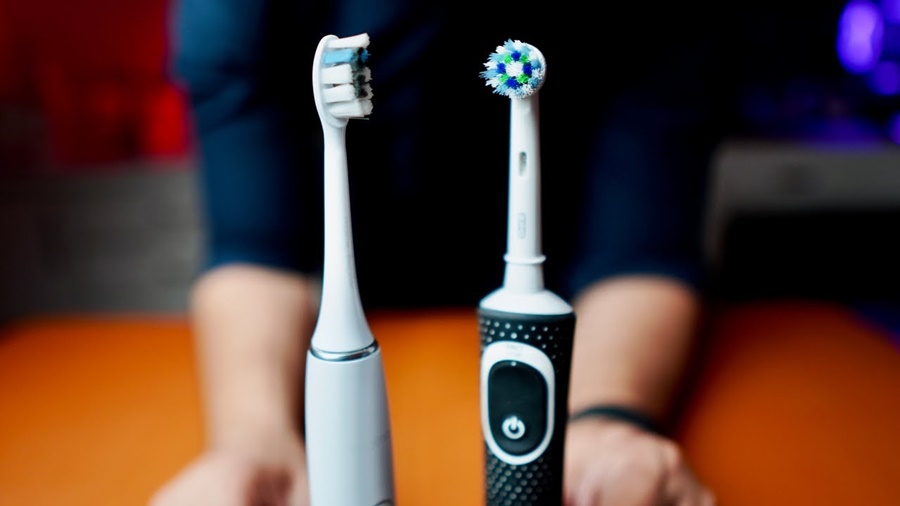
Electric toothbrushes have become increasingly popular due to their efficiency and ease of use. Maintaining good oral hygiene is essential for overall health, and choosing the right toothbrush plays a crucial role. Among them, sonic and oscillating (rotating) toothbrushes are the two most common types. While both are designed to improve cleaning compared to manual brushing, they differ in technology, performance, and user experience.
This article explores the key differences, advantages, and disadvantages of sonic and oscillating electric toothbrushes to help you decide which is best for you.

What Is a Sonic Toothbrush?
A sonic toothbrush uses high-frequency vibrations to clean teeth. These brushes typically produce 30,000 to 60,000 brush strokes per minute, creating a dynamic fluid action that helps move toothpaste and water between teeth and along the gumline.
Key Features:
- High-speed side-to-side bristle movement
- Produces a gentle humming sensation
- Cleans beyond where bristles physically touch
- Often quieter and smoother in operation
What Is an Oscillating Toothbrush?
An oscillating toothbrush (also called rotating or oscillating-rotating) features a small, round brush head that rotates back and forth, sometimes combined with pulsations.
These brushes typically operate at 2,500 to 7,500 rotations per minute, with additional pulsations helping break up plaque.
Key Features:
- Small, circular brush head
- Rotates in alternating directions
- Focuses on cleaning one tooth at a time
- Often includes pulsation for deeper cleaning
Key Differences Between Sonic and Oscillating Toothbrushes
1. Cleaning Technology
- Sonic: Uses vibration and fluid dynamics to clean a broader area
- Oscillating: Uses mechanical rotation to scrub each tooth individually
2. Brush Head Design
- Sonic: Long, rectangular head similar to a manual toothbrush
- Oscillating: Small, round head designed for precision cleaning
3. Brushing Technique
- Sonic: Requires minimal movement just glide along teeth
- Oscillating: Requires guiding the brush tooth-by-tooth
4. Speed and Motion
- Sonic: Much higher vibration frequency
- Oscillating: Slower rotations but more targeted scrubbing
5. Noise and Feel
- Sonic: Quieter, with a gentle buzzing sensation
- Oscillating: Louder, with a more mechanical feel
Advantages of Sonic Toothbrushes
- Gentle on gums: Ideal for sensitive teeth and gums
- Covers more area: Efficient for quick brushing
- Better for braces: Fluid action helps clean around brackets
- Quiet operation: More comfortable for noise-sensitive users
Disadvantages:
- May feel ticklish or unusual at first
- Less effective at removing heavy plaque compared to oscillating models
- Usually more expensive
Advantages of Oscillating Toothbrushes
- Superior plaque removal: Particularly effective at breaking up stubborn plaque
- Precision cleaning: Small head reaches tight spaces easily
- Clinically proven: Many studies support their effectiveness
- Often more affordable: Available at various price points
Disadvantages:
- Can be harsh on sensitive gums if used aggressively
- Requires more attention to technique
- Slightly noisier
Which One Is Better?
The answer depends on your individual needs:
Choose a Sonic Toothbrush if:
- You have sensitive gums or teeth
- You prefer a quieter, gentler brushing experience
- You want faster coverage with less effort
Choose an Oscillating Toothbrush if:
- You want maximum plaque removal
- You don’t mind spending more time brushing each tooth
- You prefer a more “mechanical” clean feeling
Dentist Recommendations
Many dentists recommend both types, as they are significantly more effective than manual toothbrushes when used properly. The most important factor is not the type of toothbrush, but consistent and correct usage, including brushing for at least two minutes twice a day and maintaining good technique.
Common Mistakes When Using Electric Toothbrushes
Many people assume that using an electric toothbrush means they can brush less thoroughly. This could lead to plaque buildup. Always keep your brush at a 45-degree angle against your gums and apply light pressure.
Another frequent error is brushing for too little time. Ideally, you should spend at least two minutes brushing, dividing time equally between each quadrant of your mouth.
- Rushing through your routine.
- Using the wrong brushing technique.
- Neglecting to replace brush heads regularly.
Lastly, not maintaining your toothbrush can affect cleaning efficiency. For example, you should replace brush heads every three months or sooner if the bristles appear worn.
Maintenance Tips for Electric Toothbrushes
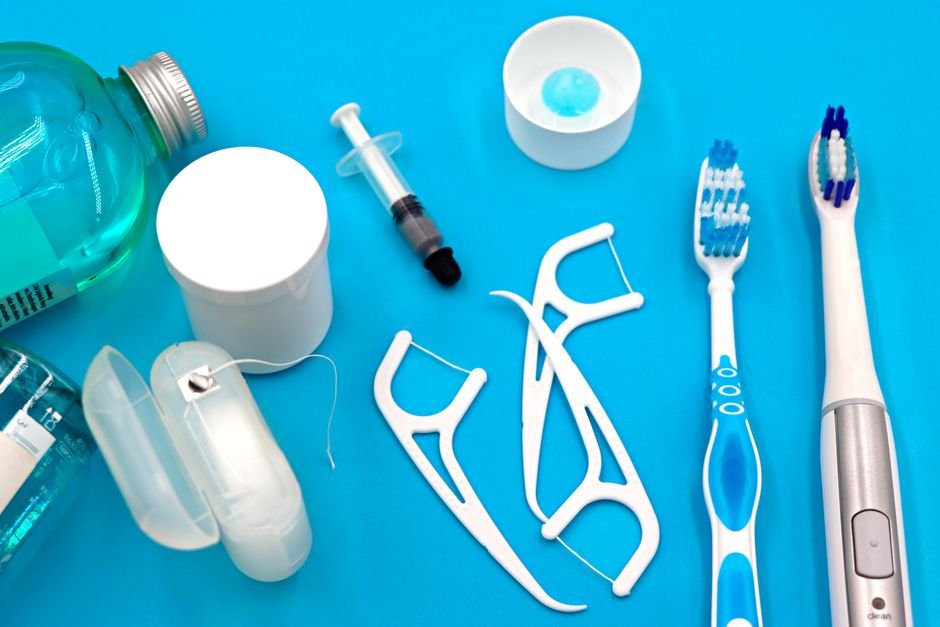
Maintaining your electric toothbrush is crucial for its longevity and performance. Always rinse your brush head after each use to remove toothpaste and debris. This simple step eliminates bacteria growth.
Every week, check for any buildup around the base or bristles. A quick wipe with a damp cloth keeps the device clean. For battery-operated options, ensure you follow the manufacturer’s guidance on charging to prolong battery life.
- Store your toothbrush upright in a dry area.
- Rotate your brush head regularly to ensure even wear.
- Consult the user manual for specific maintenance advice.
By following these easy steps, you can ensure your toothbrush remains effective in keeping your teeth and gums healthy.
Conclusion
Both sonic and oscillating electric toothbrushes offer excellent oral care benefits. Sonic brushes excel in comfort and ease of use, while oscillating brushes stand out for their deep-cleaning power. Ultimately, the best toothbrush is the one that fits your comfort, budget, and oral health needs and the one you’ll use consistently. For further comparisons, consider looking into the Sonic vs Oscillating Electric Toothbrush article.
If possible, try both types to see which feels more natural for you. Your long-term dental health depends more on habit and consistency than on the specific technology you choose.
Leave a Reply