
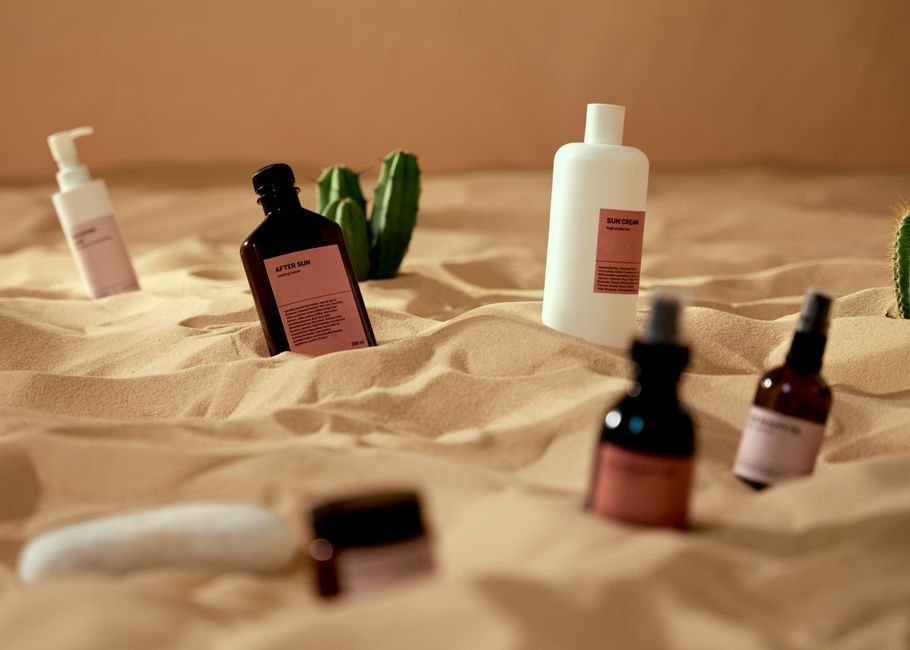
About 50% of people experience breakouts when introducing new skincare products. This happens because even subtle changes can disrupt your skin's balance, leading to unwanted acne.
The reality is that switching to new skincare items can be a double-edged sword. While you may be eager to improve your skin, the wrong ingredients can trigger reactions you didn’t foresee. Let’s get into some of the common reasons behind these breakouts and how to navigate them.

Common Causes of Skin Breakouts
First and foremost, I want to emphasize that the ingredients in new products can cause reactions. Many people overlook the potential impact of certain components. For instance, products containing heavy oils or potent acids can clog pores or irritate your skin, making you more susceptible to breakouts.
I tend to avoid products with alcohols or synthetic fragrances, as they often leave my skin feeling dry or irritated.
Another contributing factor could be how quickly you’re introducing new products into your routine. Incorporating multiple new items simultaneously makes it difficult to determine which specific product is the culprit behind your flare-ups. I usually recommend gradually introducing products, ideally one at a time, rather than overloading your skin with several changes at once.
Your Skin Barrier
Your skin barrier plays a crucial role in maintaining its integrity. When you apply a new product, it can disrupt this barrier. For example, if a product is too harsh or doesn’t match your skin type, it can lead to inflammation and subsequent breakouts. Personally, I recommend validating if products are suitable for your skin type before using them; sensitivity can vary vastly.
Moreover, many people overlook how their skin might react to environmental factors, like humidity or temperature changes, when trying out new products. A product that works perfectly in a controlled climate might not do the same under different weather situations. You might find yourself dealing with unexpected reactions if your routine doesn’t factor in these changes, leading to unnecessary breakouts.
Identifying Skin Reactions vs. Purging
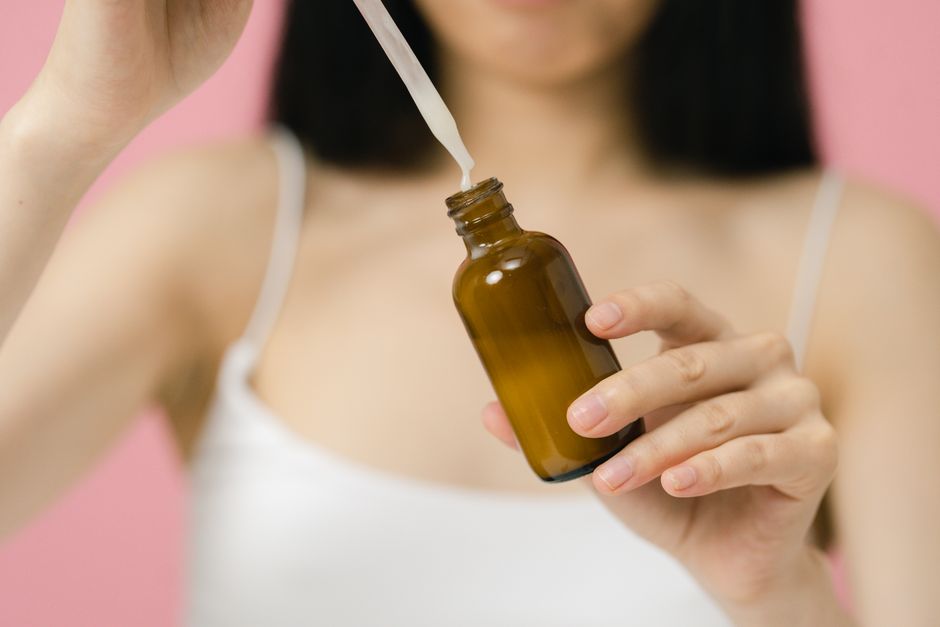
It’s essential to discern between a breakout from an allergic reaction to a product and skin purging. When you change your products, particularly if you introduce active ingredients like retinol or exfoliants, your skin might go through a purging phase. This can feel alarming, as staying invested in a product that seemingly causes breakouts can be challenging.
However, skin purging generally involves the emergence of pre-existing clogged pores coming to the surface.
I learned to watch for certain indicators: if a new product contains actives that accelerate cell turnover, initial breakouts may actually signal progress rather than failure. But, if your breakouts don’t subside after a few weeks, or worsen significantly, that’s your cue to reconsider using that product. Trust your instincts here. It’s important to prioritize how your skin feels overall.
How to Proceed When Skin Breakouts Occur
The best approach when faced with breakouts is to simplify your skincare regime. Remove any products that could be contributing to the problem and allow your skin a chance to reset. Opting for a gentle cleanser and a lightweight moisturizer can be a great way to clarify your routine. I’ve found that using fewer products helps my skin recover quicker, especially after a reaction.
Additionally, patch testing a small area before a full application is a smart move. A simple dab on your inner wrist can reveal unexpected reactions before committing your entire face. I also keep a skincare log to track new products and reactions, which helps in decision-making for future purchases.
If you’re also navigating sensitive skin, I recommend checking out my guide on [Method Body Wash: Moisturizing Without Harsh Chemicals](https://charmelisse.com/method-body-wash/). This could contribute positively to your skin health without all the irritating extras.
Final Recommendations for Your Skincare Journey
For optimal results, consider starting with a gentle cleanser and a fragrance-free moisturizer if you have sensitive skin; those with oily skin might benefit from lightweight gel formulas. Always patch test new products to minimize the risk of irritation.
There is more on skin needs elsewhere on the site.
Frequently Asked Questions
Why do new products cause breakouts?
New products can cause breakouts due to various factors such as irritation from unfamiliar ingredients, clogged pores from heavy formulations, or allergic reactions. Additionally, if the product disrupts your skin's natural barrier, it can lead to inflammation and acne.
How can I test new skincare products safely?
To test new skincare products safely, perform a patch test on a small area of skin, such as behind your ear or on your wrist, for 24-48 hours. If you experience no adverse reactions, you can gradually introduce the product to your skincare routine.
Can new makeup cause skin reactions?
Yes, new makeup can definitely cause skin reactions, especially if it contains irritants or allergens such as fragrances or parabens. It's advisable to choose non-comedogenic and hypoallergenic products, especially if you have sensitive or acne-prone skin.
What ingredients to avoid for sensitive skin?
For sensitive skin, avoid ingredients like alcohol, fragrances, sulfates, and certain preservatives like parabens. Additionally, look out for harsh exfoliants and acids that can exacerbate irritation.
Is skin purging normal with new products?
Yes, skin purging is considered normal when introducing products with active ingredients like retinoids or exfoliating acids, as these can accelerate skin cell turnover. However, purging should be temporary; if breakouts persist beyond a few weeks, it might indicate irritation rather than purging.
Leave a Reply