
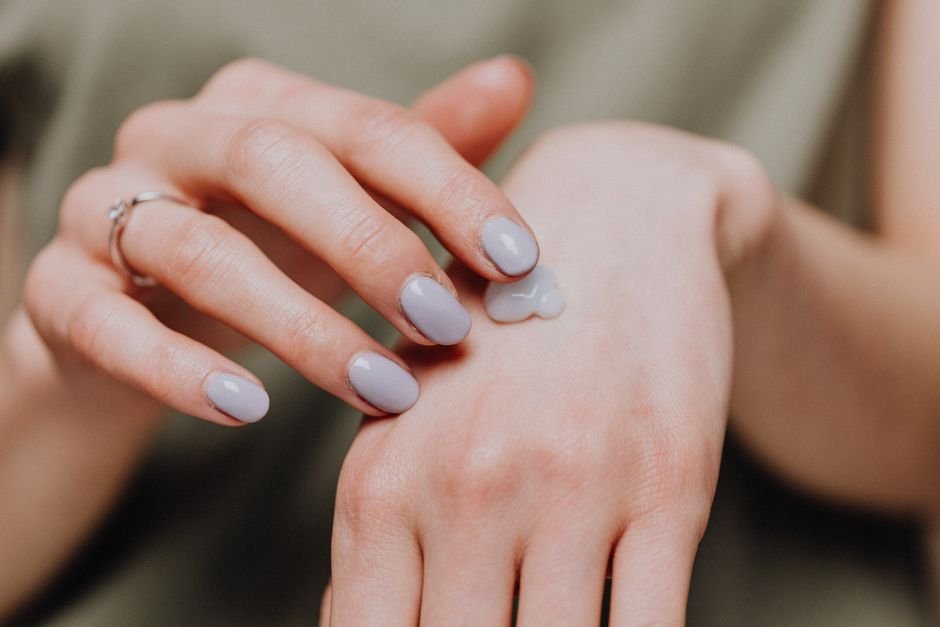
Pilling occurs when moisturizer forms little clumps on your skin, a frustration experienced by many. This often arises from incorrect application methods, poor absorption by the skin, or using incompatible products, which can hinder the effectiveness of your skincare routine.
When I first encountered pilling, it felt like I was doing something wrong. I tried different moisturizers, adjusted my skincare routine, but the issue persisted. The good news? There are specific mistakes to avoid that can help you achieve that smooth, hydrated skin we’re all after.
With some adjustments in how you layer your skincare products and the techniques you use, you can say goodbye to the dreaded pilling.

Common Mistakes with Product Application
One of the primary culprits of moisturizing pilling is how you apply products. Many people, myself included at times, layer products too hastily. For example, applying serum and moisturizer too quickly without allowing each product to absorb properly can lead to pilling. I’ve learned to take a moment to let my serum sit for about 30 seconds before applying my moisturizer.
This small waiting period can make a significant difference in how the products interact with my skin.
Another common mistake is using too much product. It’s tempting to slather on more, thinking it will boost hydration, but it often leads to a sticky, pilling mess instead. A pea-sized amount of moisturizer is generally sufficient for most skin types. If your skin still feels dry, consider that your base products may need to be adjusted rather than simply adding more moisturizer.

Product Compatibility
The ingredients in your skincare products can clash, causing those annoying little pills of product to form. Some formulations simply aren’t meant to mix. I’ve experienced this firsthand when combining silicone-based serums with certain water-based moisturizers. This pairing is a recipe for disaster! Checking your product compatibility is vital.
Stick to products from the same line or those with similar formulations to prevent any ingredient interactions.
Moreover, if you’re trying a new product, it’s wise to perform a patch test before incorporating it into your routine. By doing so, you can see how your skin reacts and avoid potential pilling. I’ve avoided quite a few issues this way, and my skin has been happier for it!
Analyzing Your Skin Absorption
How your skin absorbs products can significantly affect whether or not your moisturizer pills. I’ve found that my skin drinks up hydrating products better when it’s slightly damp, rather than completely dry. After cleansing my face, I like to apply toner, or even just splashes of water, to give my skin a bit of moisture to work with.
It seems to help the moisturizer absorb more effectively, preventing those pesky pills.
Additionally, consider the time of day you’re applying your products. I’ve learned that my skin behaves differently between morning and evening, often absorbing products better at night when it’s less exposed to environmental factors. This is an aspect worth considering if you notice about your own routine!
Simplifying Your Routine
Sometimes, the simplest solution is the best one. For many of us, skincare routines can become convoluted with multiple products layered on top of one another. This can overwhelm your skin and lead to product interactions. I recommend simplifying your routine to just a few key products that work well together.
A good serum, a hydrating moisturizerand a protective sunscreen are often all you truly need.
In my hunt for a streamlined routine, I found that cutting down on the number of products has not only helped prevent pilling but also improved my skin’s overall texture. Focusing on quality over quantity can lead to superior results without the mess!
When to Seek Alternatives
For those struggling with pilling despite refining your application techniques, consider switching to lighter formulations like gel-based moisturizers particularly if you have oily skin. Finding the right match for your skin type can significantly reduce this issue and enhance your overall skincare experience. Additionally, why is my moisturizer pilling? may provide further insights!
Frequently Asked Questions
What causes skincare products to pill?
Skincare products can pill due to a reaction between different formulas, often when heavier products are layered on top of lighter ones. Additionally, factors like applying too much product or using expired items may contribute to pilling.
How can I stop my moisturizer from pilling?
To stop your moisturizer from pilling, ensure that you're using products with compatible ingredients and allow each layer to absorb fully before applying the next. Using a smaller amount of product can also help to prevent pilling.
Is moisturizer pilling bad for your skin?
Moisturizer pilling itself is not harmful to your skin, but it can indicate that the product is not being effectively absorbed. This may lead to inadequate hydration and can interfere with the overall efficacy of your skincare routine.
Why does my foundation pill over moisturizer?
Foundation may pill over moisturizer due to a mismatch in product formulations, such as oil-based foundations over water-based moisturizers. Additionally, improper application techniques, like not allowing the moisturizer to fully absorb, can also lead to pilling.
Can wrong application cause product pilling?
Yes, wrong application techniques can certainly cause product pilling. Applying too much product, layering without sufficient drying time, or rubbing rather than gently patting products into the skin can all contribute to pilling.
Leave a Reply