
- Retinol
- Peptides
- Vitamin C
For Sensitive Skin
- Fragrance-free formulas
- Aloe vera
- Squalane

How to Use Night Cream Correctly
- Cleanse your face
- Apply toner or serum (optional)
- Use a pea-sized amount of night cream
- Gently massage in circular motions
- Allow it to absorb fully before sleeping
Our write-up on face wash vs micellar water picks up where this leaves off.
See also our take on radiant sk.
Conclusion
Night face creams are helpful but not strictly necessary. They offer significant benefits especially hydration, repair, and anti-aging support making them a valuable addition to your routine if you want healthier, more radiant skin. However, if your regular moisturizer already meets your needs, you may not need a separate night cream.
Adding a night cream is ultimately a personal choice, based on your skincare goals and your skin’s needs.
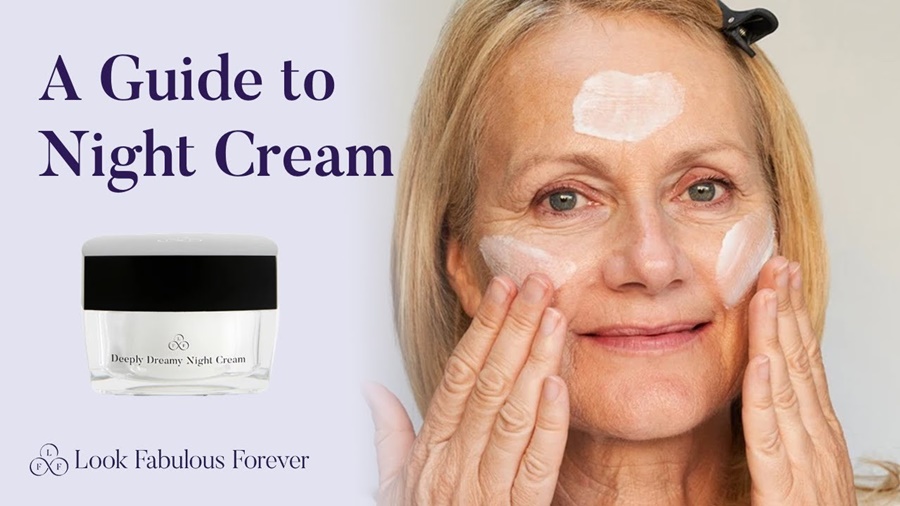
Night creams have become a popular part of modern skincare routines but are they truly necessary, or just another beauty industry trend? This article explores what night creams do, who needs them, and how to choose the right one.

What Is a Night Face Cream?
A night face cream is a skincare product designed specifically for nighttime use. Unlike day creams, which focus on hydration and protection, night creams are usually richer and contain ingredients that help repair and rejuvenate the skin while you sleep.
How Night Creams Work
1. Support Skin Repair
Your skin enters a natural repair mode at night. Cell turnover increases, and night creams are formulated to support this process with ingredients such as:
- Retinol
- Peptides
- Hyaluronic acid
- Ceramides
2. Deliver Deep Hydration
Night creams tend to be thicker, providing long-lasting moisture that helps strengthen the skin barrier.
3. Reduce Signs of Aging
Anti-aging ingredients work more effectively at night, helping minimize wrinkles, fine lines, and dullness.
Are Night Face Creams Really Necessary?
The answer depends on your skin type, your age, and your skincare goals.
Night Cream May Be Necessary If:
- You have dry or dehydrated skin
- You experience signs of aging, such as fine lines or uneven texture
- You use active ingredients like retinol, which require supportive hydration
- You want to maximize overnight repair and nourishment
Night Cream May Not Be Essential If:
- You already use a good moisturizer suitable for day and night
- You have very oily skin and prefer lightweight hydration
- You follow a minimal skincare routine and don’t need targeted nighttime treatments
In short, night cream is not mandatory, but it is often very beneficial, especially for skin repair and anti-aging.
Benefits of Using a Night Face Cream
1. Enhanced Moisture Retention
Night creams help reduce water loss from the skin, leaving it plump and refreshed by morning.
2. Improved Skin Texture
Regular use can lead to softer, smoother, more radiant skin.
3. Targeted Treatment
Night creams often contain higher concentrations of active ingredients because the skin is more receptive at night.
4. Stronger Skin Barrier
Ingredients like ceramides, niacinamide, and fatty acids help repair and strengthen the skin’s protective barrier.
Difference Between Day Cream and Night Cream
| Feature | Day Cream | Night Cream |
|---|---|---|
| Texture | Light | Thick / rich |
| Focus | Hydration + protection | Repair + regeneration |
| Ingredients | SPF, antioxidants | Retinol, peptides, hydrating oils |
| Usage | Morning | Evening |
How to Choose the Right Night Cream
For Dry Skin
- Shea butter
- Hyaluronic acid
- Ceramides
For Oily or Acne-Prone Skin
- Gel-based creams
- Niacinamide
- Salicylic acid
For Aging Skin
- Retinol
- Peptides
- Vitamin C
For Sensitive Skin
- Fragrance-free formulas
- Aloe vera
- Squalane
How to Use Night Cream Correctly
- Cleanse your face
- Apply toner or serum (optional)
- Use a pea-sized amount of night cream
- Gently massage in circular motions
- Allow it to absorb fully before sleeping
Our write-up on face wash vs micellar water picks up where this leaves off.
See also our take on radiant sk.
Conclusion
Night face creams are helpful but not strictly necessary. They offer significant benefits especially hydration, repair, and anti-aging support making them a valuable addition to your routine if you want healthier, more radiant skin. However, if your regular moisturizer already meets your needs, you may not need a separate night cream.
Adding a night cream is ultimately a personal choice, based on your skincare goals and your skin’s needs.
Leave a Reply